
How to Evaluate a LinkedIn Profile Before Buying
If you are trying to understand how to evaluate a LinkedIn profile before buying, do not judge it by connection count, account age, or appearance alone.
A proper LinkedIn profile evaluation should look at the whole profile: completeness, age, connection quality, work history, education, activity, consistency, verification, and account history.
One important point comes first. LinkedIn’s current User Agreement says members must not share or transfer their accounts. That means buying or transferring a personal LinkedIn account can conflict with LinkedIn’s platform terms. Account quality and platform permission are separate issues, and marketplace availability does not mean LinkedIn approves the transaction.
With that distinction clear, here is how to assess the visible quality and characteristics of a LinkedIn profile.
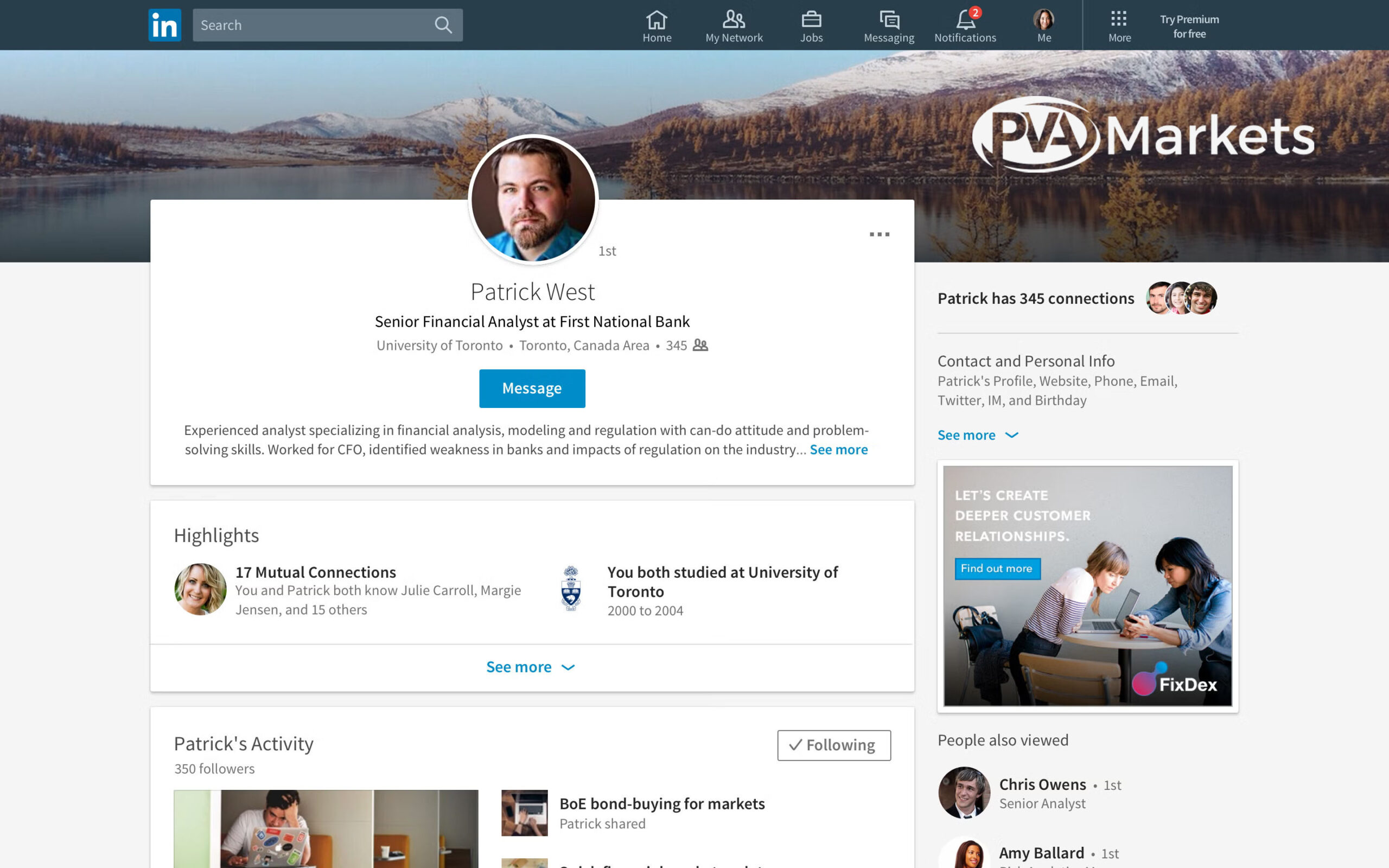
1. Start With Overall Profile Completeness
A professional LinkedIn profile should provide enough information to understand who the person is and what they do.
Review the main sections:
- profile photo
- name
- headline
- location
- About section
- work experience
- education
- skills
- connections
- recent activity
- verification information where available
An incomplete profile is not automatically low quality. Some LinkedIn members use the platform rarely or keep parts of their profile private.
However, missing information reduces what you can evaluate.
For example, a profile with a professional headline but no work history, no education, almost no activity, and few other details gives you very little evidence to assess.
When comparing listings to buy LinkedIn accounts, examine the individual profile characteristics instead of treating the listing itself as evidence of profile quality.
A complete-looking profile still needs deeper review.
2. Check the Headline and About Section
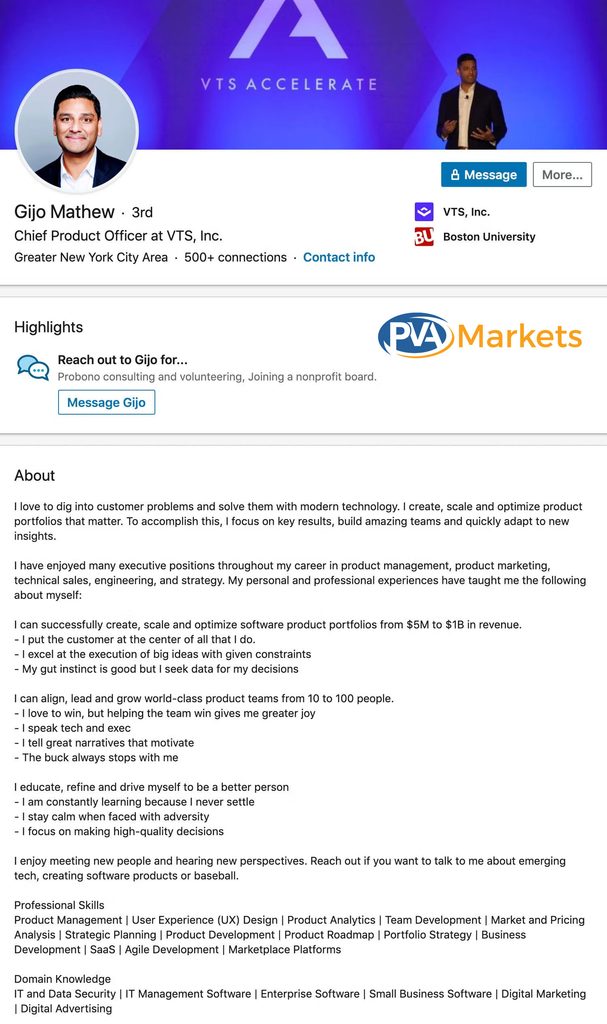
The headline should make the person’s professional role or focus reasonably clear.
Compare these two examples:
Clear headline:
B2B Content Manager | SaaS SEO and Content Strategy
Vague headline:
Helping Businesses Reach Their Full Potential
The second may sound professional, but it provides less useful information.
Next, compare the headline with the About section.
Ask:
- Do they describe the same professional area?
- Does the About section provide useful context?
- Are skills or areas of expertise specific?
- Are there exaggerated claims without support elsewhere?
A LinkedIn profile becomes easier to evaluate when the headline, About section, and employment history tell a consistent story.
3. Review Work Experience Carefully
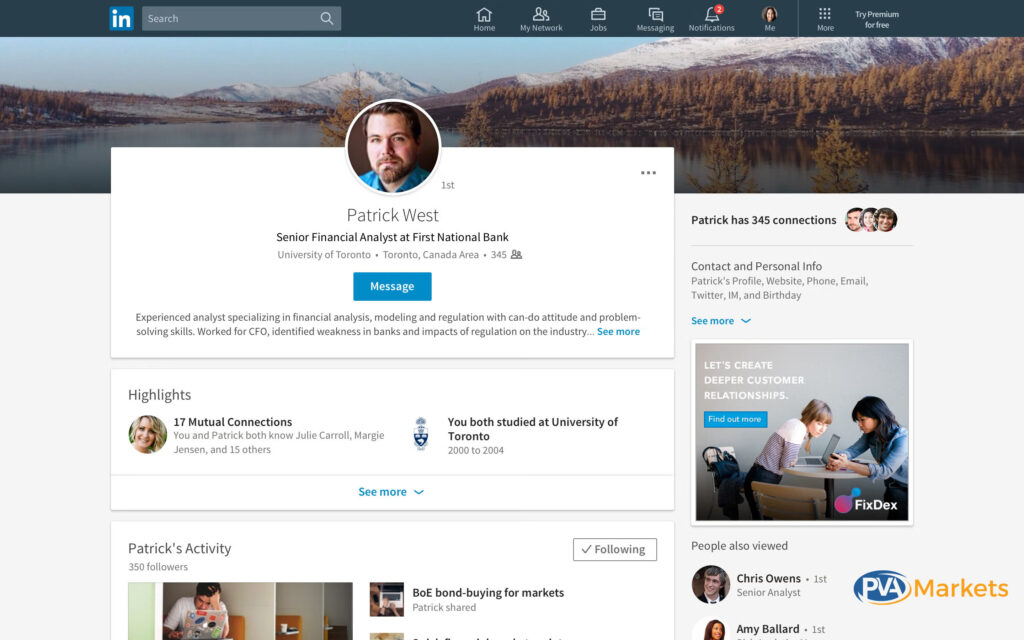
Work history is one of the most important parts of a LinkedIn profile.
Check:
- company names
- job titles
- start and end dates
- length of employment
- career progression
- overlapping positions
- role descriptions
Do not assume overlapping jobs are automatically suspicious.
Consultants, freelancers, founders, advisors, and part-time professionals may legitimately hold several roles at once.
Instead, ask whether the timeline makes sense.
Example
Consider this hypothetical history:
2020–2022: SEO Specialist
2022–2024: Senior SEO Specialist
2024–Present: SEO Manager
The progression is easy to understand.
Now consider:
2025–Present: CEO
2025–Present: Chief Marketing Officer
2025–Present: VP of Sales
2025–Present: Senior Developer
That combination is not impossible, but it needs more explanation.
A useful evaluation looks for context rather than assuming either authenticity or fraud.
4. Check Education Against the Rest of the Profile
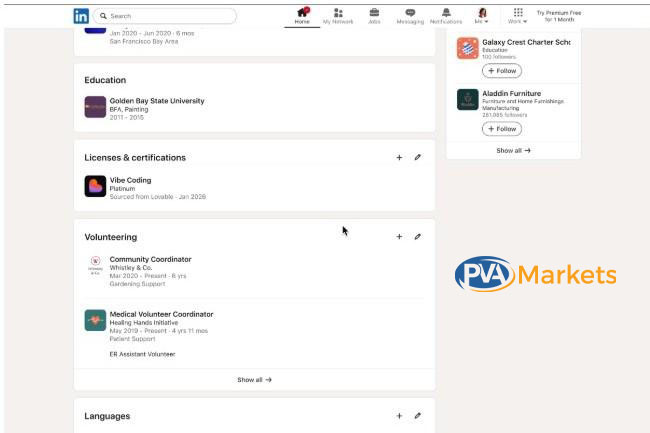
Education can provide additional professional context.
Review:
- institution
- qualification
- field of study
- dates
- relationship to the person’s career
Not every experienced professional needs a detailed education section.
Likewise, education does not automatically prove professional competence.
Use it as one supporting signal.
If the education, employment history, skills, and professional claims conflict substantially, investigate further.
5. Check Account Age and Profile History
An older LinkedIn profile gives you a longer potential history to examine, but age alone does not create credibility.
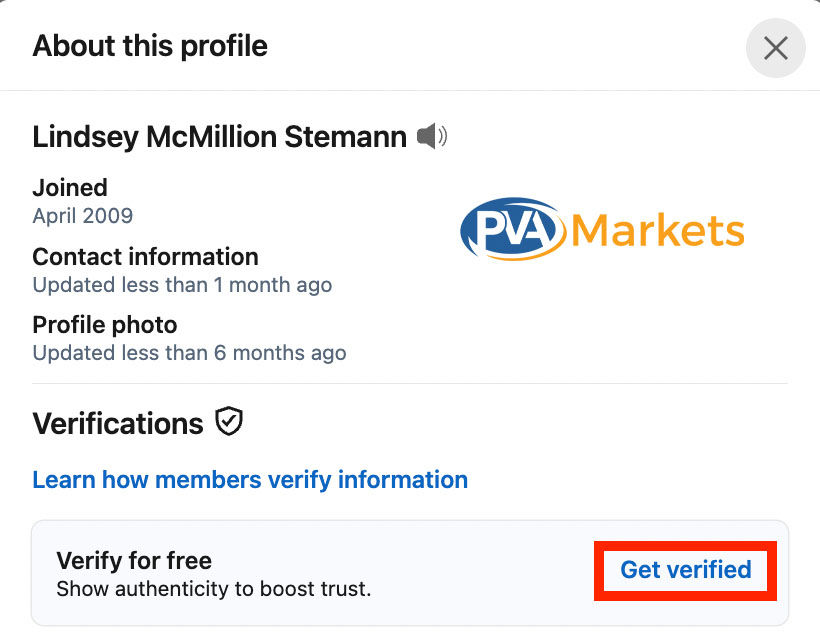
LinkedIn’s “About this profile” feature can provide information such as when a profile joined LinkedIn and available verification information. LinkedIn introduced this information to help members make more informed decisions about profiles they encounter.
This makes account age useful, but only when combined with activity.
Consider two hypothetical profiles:
| Profile | Account Age | Visible History |
|---|---|---|
| Profile A | 8 years | Almost no activity |
| Profile B | 3 years | Consistent work updates and professional activity |
| Profile C | 1 year | Complete profile with current professional information |
Profile A is the oldest.
That does not automatically make it the highest-quality profile.
When researching buy aged LinkedIn accounts, compare the age with the actual profile history rather than treating the creation date as a quality score.
Look for Gaps
Ask:
- When was the profile created?
- How much visible history exists?
- Are employment dates complete?
- Has the profile changed substantially?
- Does the current professional identity fit the older history?
Age becomes useful when it provides more evidence to review.
6. Do Not Overvalue Connection Count
Connection count is one of the first numbers many people check.
It is also easy to misinterpret.
LinkedIn shows the total connection count until a profile passes 500 connections. After that, the public profile generally displays 500+ instead of the exact total. Connection-list visibility can also depend on member privacy settings.
Connections can result from:
- years of professional networking
- recruiting
- sales
- conferences
- content publishing
- accepting broad connection requests
A large network does not prove:
- expertise
- credibility
- relationship quality
- engagement
- professional relevance
Connection Quality Matters More Than the Headline Number
Where visible, consider:
- shared connections
- industries
- companies
- professional relevance
- consistency with the profile’s claimed role
For example, a recruiter may naturally have a large and diverse professional network.
A specialist engineer may maintain a much smaller one.
Neither network is automatically better.
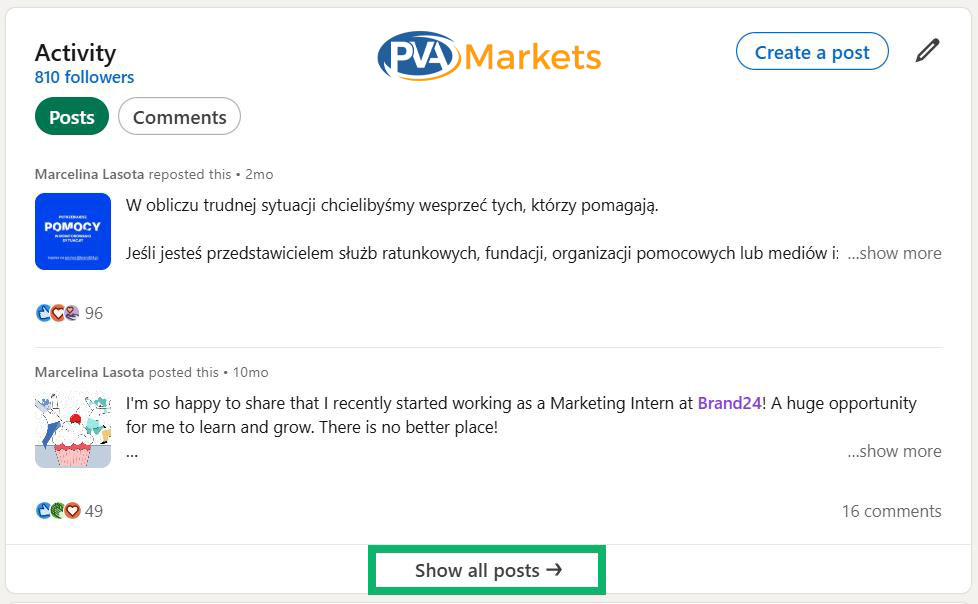
7. Review Recent LinkedIn Profile Activity
A static profile tells you what someone claims about their professional background.
Activity can show how they currently use LinkedIn.
Review:
- posts
- comments
- reposts
- articles
- discussions
Ask:
- What topics does the profile discuss?
- Does the activity match the stated profession?
- Are comments relevant?
- Is the account participating in professional discussions?
- Is most activity recent or several years old?
Do not require frequent posting.
Many legitimate professionals rarely publish content.
Inactivity should therefore be treated as a characteristic, not automatic proof of low quality.
8. Compare Historical and Recent Activity
Recent activity becomes more useful when compared with older activity.
Suppose a profile shows years of:
- recruitment content
- HR discussions
- hiring advice
and suddenly switches to:
- cryptocurrency promotions
- unrelated investment offers
- repetitive commercial posts
That change deserves closer review.
It does not prove the profile has been transferred, compromised, or misused.
People change jobs and interests.
Instead, check several signals:
- writing style
- topics
- employer information
- posting frequency
- external links
- profile changes
Avoid drawing conclusions from one change alone.
9. Evaluate Profile Consistency
Consistency is one of the strongest practical LinkedIn profile quality signals.
Compare these areas:
Headline → About → Experience → Skills → Activity
They do not need to match perfectly.
They should make sense together.
For example:
Headline: Paid Media Manager
Experience: Google Ads Specialist → Senior PPC Specialist → Paid Media Manager
Skills: Google Ads, Microsoft Ads, Analytics
Activity: PPC strategy and attribution discussions
That creates a coherent professional profile.
By contrast, large contradictions deserve further review.
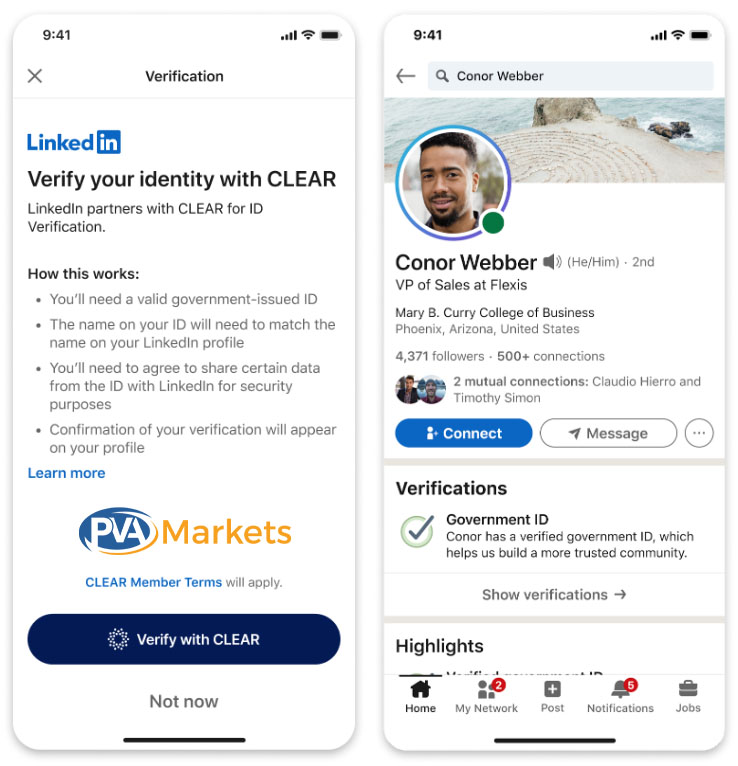
10. Understand LinkedIn Verification
LinkedIn supports profile verification for specific information, including identity and workplace details in eligible circumstances.
A verification is useful, but it must be interpreted correctly.
For example, workplace verification can confirm an eligible association with a company through supported verification methods. It does not automatically verify:
- every previous job
- every listed skill
- every professional achievement
- content quality
- future account performance
Likewise, identity verification confirms specific identity information through LinkedIn’s verification process.
Verification is one credibility signal.
It is not a universal approval badge for everything shown on the profile.
11. Compare Aged and Established Profiles Carefully
The term “established profile” can mean several different things.
A profile might be considered established because it has:
- an older creation date
- years of work history
- a larger network
- long-term activity
- verification
- detailed professional information
Those factors should be separated.
For example:
Profile A
- 8 years old
- 500+ connections
- almost no recent activity
- incomplete Experience section
Profile B
- 4 years old
- 450 connections
- detailed work history
- relevant recent activity
- coherent professional information
Profile C
- 2 years old
- 500+ connections
- complete profile
- inconsistent professional history
There is no automatic winner.
Someone comparing buy established LinkedIn accounts should define which characteristics matter rather than assuming that the word “established” guarantees credibility.
It does not guarantee reach, engagement, account stability, or LinkedIn approval.
12. Check Public Profile Visibility
Limited visible information does not always mean an incomplete account.
LinkedIn members can control parts of their profile visibility.
LinkedIn states that profiles may appear in LinkedIn search and that some profile information may also appear in external search services such as Google or Bing, depending on visibility settings.
Connection visibility can also be restricted.
This creates an important limitation when evaluating profiles externally.
You may not be seeing everything.
Do not treat hidden information as evidence that it does not exist.
13. Look for Low-Quality or Incomplete Profile Signals
No single warning sign proves that a profile is poor quality.
Several combined signals are more useful.
Look more closely when you see:
- almost empty Experience section
- vague headline
- missing professional context
- inconsistent job dates
- unrelated current activity
- long unexplained inactivity
- very recent profile creation combined with claims of long LinkedIn history
- unrealistic career progression
- incomplete identity information
- sudden professional identity changes
Again, context matters.
A new LinkedIn member can still be an experienced professional.
Account age and professional experience are not the same thing.
14. Check for Signs of an Inactive Profile
An inactive profile may show:
- no recent posts
- no recent comments
- outdated current employment
- old profile information
- stale About text
However, inactivity alone does not mean poor credibility.
Some LinkedIn users maintain profiles mainly for:
- professional identity
- recruiting
- networking
- job applications
They may rarely publish.
The key question is whether inactivity matters for your specific evaluation goal.
15. Separate Profile Quality From Platform Permission
This distinction is essential in an article about evaluating a LinkedIn profile before buying.
A profile can appear:
- complete
- old
- active
- well connected
- verified
and the proposed account transfer can still conflict with LinkedIn’s rules.
LinkedIn’s current User Agreement says account holders must not share or transfer their accounts or any part of them.
So there are two separate questions:
Question 1: What characteristics does this LinkedIn profile have?
Question 2: Does LinkedIn allow the proposed account transfer or use?
A good evaluation should answer both instead of assuming that profile quality overrides platform policy.
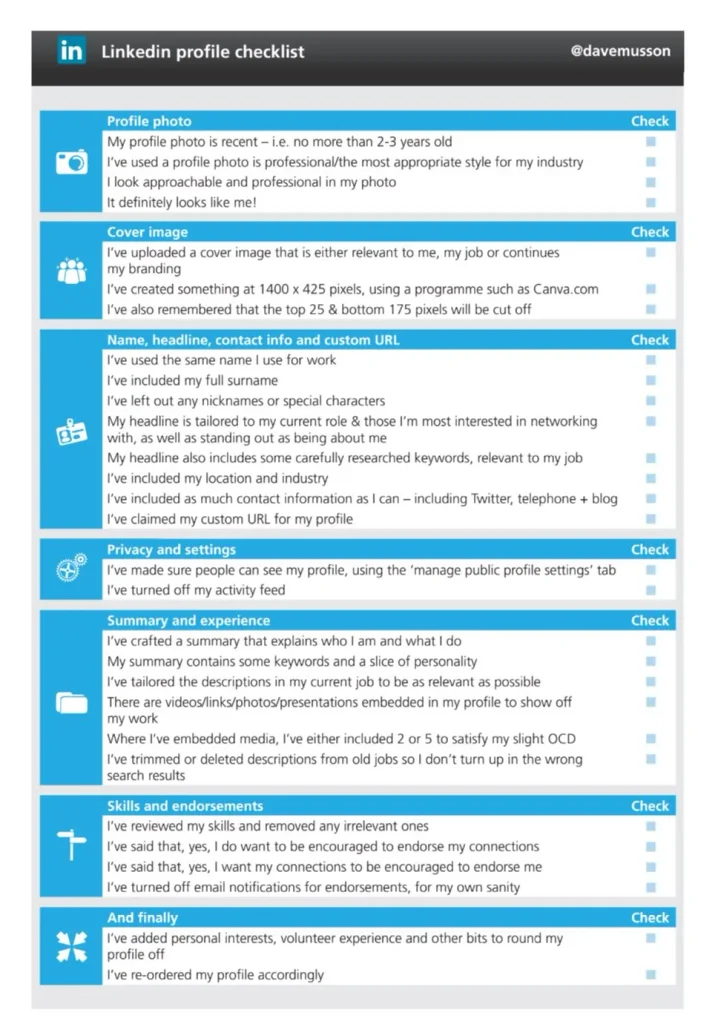
Practical LinkedIn Profile Evaluation Checklist
Use this checklist before making a decision.
Profile Completeness
- Is there a clear headline?
- Is the About section useful?
- Is work history present?
- Is education included where relevant?
- Are skills consistent with experience?
Account History
- When was the profile created?
- Does visible activity span that history?
- Are there unexplained gaps?
Connections
- What connection count is visible?
- Is the network relevant?
- Are privacy settings limiting what you can inspect?
Activity
- Is there recent activity?
- Does it match the stated profession?
- Do older and newer activities make sense together?
Professional Consistency
- Do headline, About, experience, skills, and activity align?
- Are employment dates plausible?
- Are professional claims supported elsewhere?
Verification
- Is verification present?
- What exactly has been verified?
- Are you avoiding assumptions beyond that verification?
Quality Risks
- Is the profile incomplete?
- Is it largely inactive?
- Are there major unexplained changes?
- Does important information conflict?
Platform Rules
- Does the intended use comply with LinkedIn’s current User Agreement?
- Are you separating profile quality from permission to transfer an account?
A Simple Comparison Framework
If you are comparing several profiles, create a table instead of choosing based on one metric.
| Factor | Profile A | Profile B | Profile C |
|---|---|---|---|
| Account age | 7 years | 4 years | 2 years |
| Profile completeness | Medium | High | High |
| Connections | 500+ | 400 | 500+ |
| Work history | Partial | Detailed | Detailed |
| Recent activity | Low | High | Medium |
| Professional consistency | Medium | High | Low |
| Verification | None visible | Workplace | Identity |
| Overall concerns | Inactive | Few | History mismatch |
This forces you to compare profiles consistently.
It also prevents one attractive metric, such as age or connections, from overriding several weaker signals.
Final Takeaway
Knowing how to evaluate a LinkedIn profile before buying requires more than looking at account age or connection count.
Review the profile as a complete professional history.
Check:
- completeness
- account age
- connection relevance
- recent activity
- historical activity
- work experience
- education
- consistency
- verification
- visible account history
Connection count alone does not determine LinkedIn credibility.
Likewise, an aged or established profile does not automatically have stronger engagement, authority, or future performance.
Most important, keep profile evaluation separate from platform permission. LinkedIn’s current rules prohibit sharing or transferring personal accounts, so account characteristics do not override LinkedIn’s terms.
Use several signals together, document the limitations of what you can see, and avoid treating any single profile metric as proof of quality.